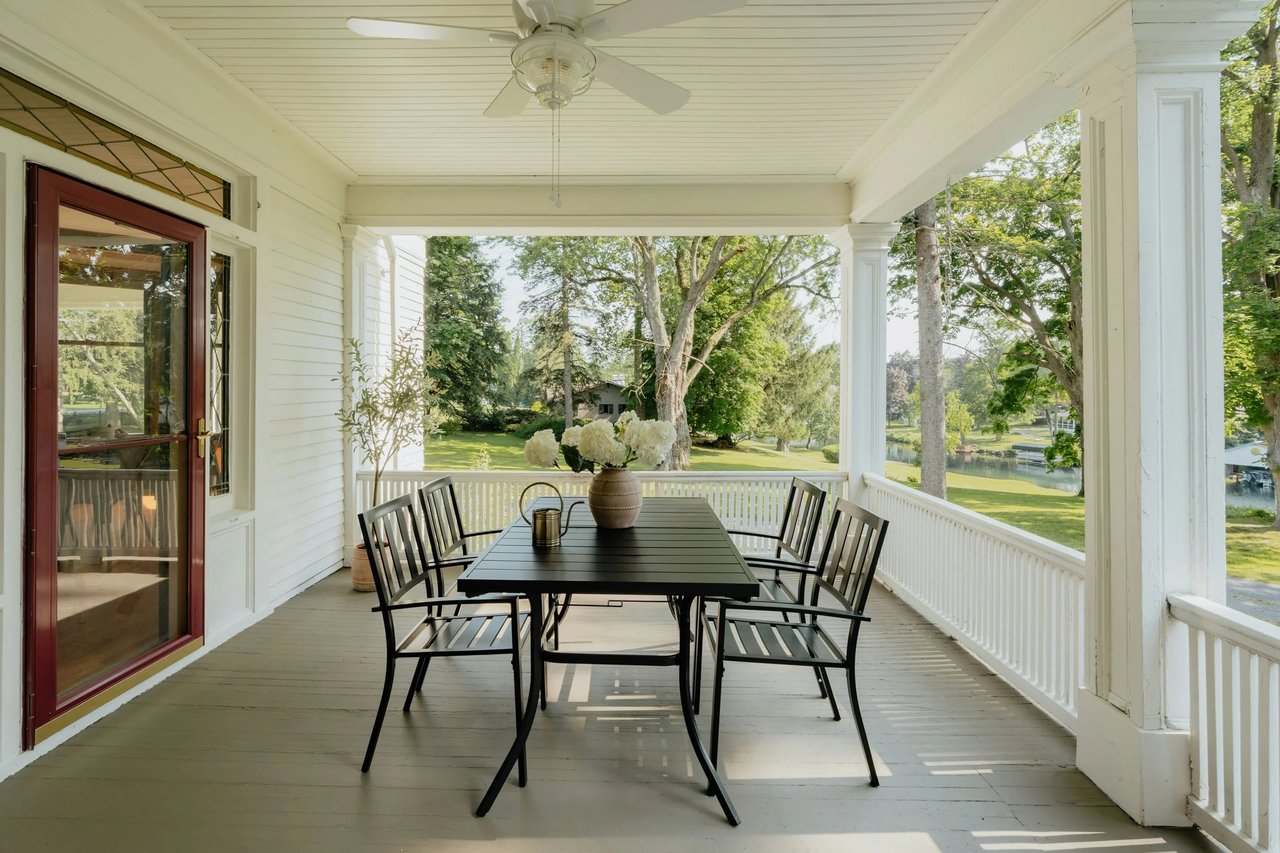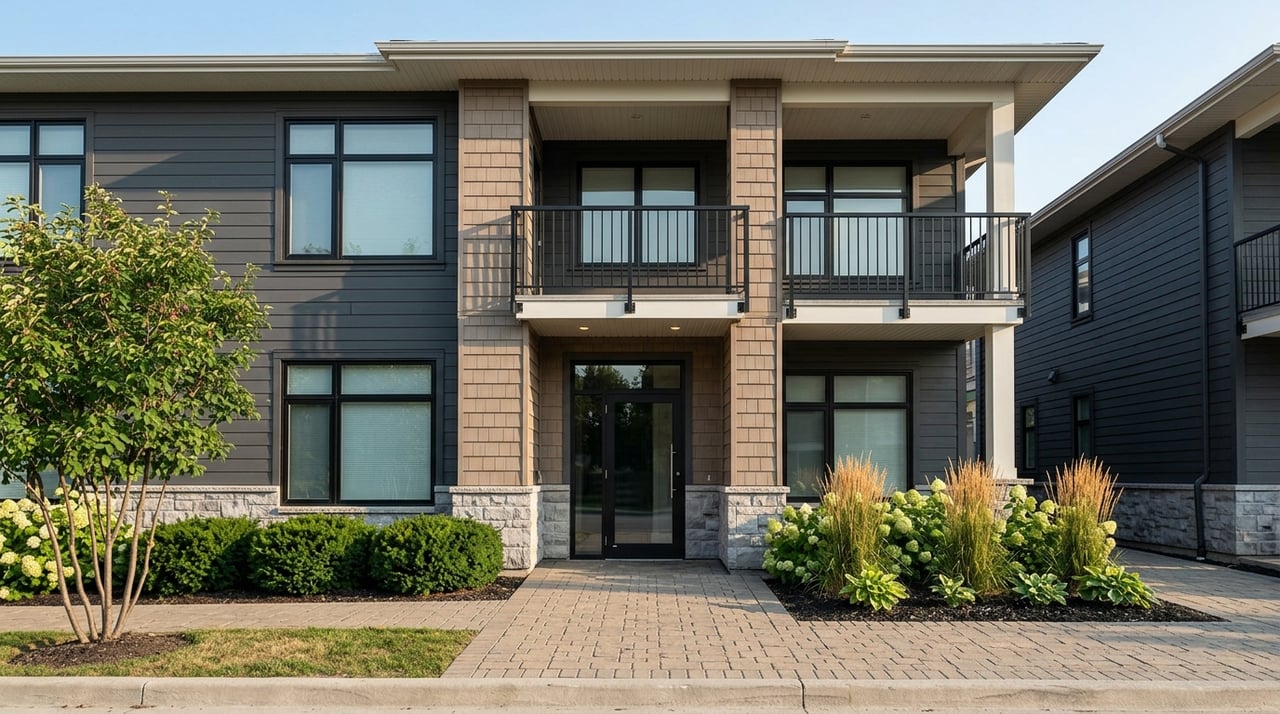
A Holland condo can look like the perfect two-in-one property: a place where you can slip away for the weekend and, in some cases, offset costs with rental income. The catch is that not every condo in Holland works for both goals. If you are trying to balance lifestyle, convenience, and rules around renting, you need more than a pretty unit and a good location. You need a clear plan for how the building, the city, and your ownership costs all fit together. Let’s dive in.
Why Holland Appeals to Getaway Buyers
Holland offers a mix that is easy to understand once you spend time there. Downtown Holland has more than 100 locally owned shops, restaurants, parks, and events, which gives part-time owners a lot to enjoy without needing a long to-do list every weekend.
The downtown core also uses a large snowmelt system. For a lock-and-leave owner, that matters because it helps keep sidewalks and streets usable during winter and makes short stays more convenient year-round.
Beach access is another big part of the draw. Holland State Park includes both Lake Macatawa and Lake Michigan units, a sandy beach, and a connection to the Lakeshore Trail, which adds outdoor value whether you are using the condo yourself or thinking about guest appeal.
What Holland Condo Living Looks Like
Holland condo options are not one-size-fits-all. In practical terms, you are usually choosing between walkability, beach access, or a quieter low-maintenance setting.
Downtown condos
Downtown mixed-use buildings are one common condo style in Holland. Towers on River is a five-story building with 27 residential units and 3 commercial units in the heart of downtown, while Downtown Place emphasizes walkability to shopping, restaurants, and Hope College.
Centennial Park Place is another apartment-style condo near Hope College with residential and commercial units. It also notes that some owners rent their units, which makes it a useful example of why building-specific rules matter.
Beach and marina condos
If your goal is a stronger vacation feel, beach- and marina-oriented communities may stand out. Spyglass is a 64-unit association near Holland State Park on the southwest shore of Lake Michigan, with more than 750 feet of private sandy beach, a pool, sports courts, and boardwalks.
Anchorage Marina says its 39 units are close to downtown and about 2 miles from Holland State Park. It also highlights low-maintenance features like landscaping, snow removal, water, sewer, and trash removal, with optional social membership that includes pool access.
Inland low-maintenance condos
Some buyers care less about being near the beach and more about simple ownership. Central Village has 182 two-bedroom units with single-stall garages, and its fee structure covers water, sewer, lawn care, trash, snow removal, exterior building maintenance, and reserve funding.
The Links at Rolling Meadows sits on the south edge of Holland around a 9-hole golf course. Communities like these can appeal if you want fewer day-to-day maintenance tasks and a more residential feel.
Start With Your Real Goal
Before you compare floor plans or finishes, decide what success looks like for you. A condo that works well for personal weekend use may not work as a rental, and a condo that allows some leasing may not match the kind of stays you want to offer.
Ask yourself a few direct questions:
- Do you want a walkable downtown base?
- Do you want beach or marina access?
- Do you want the lowest-maintenance ownership possible?
- Do you want occasional rental income or a more structured investment plan?
- Are you comfortable with HOA rules that may limit pets, guests, parking, or renovations?
That last question matters more than many buyers expect. In Holland, the exact building can matter as much as the neighborhood.
Rental Potential Depends on Three Layers
If rental income is part of your plan, you need to confirm that three separate layers line up. If one of them does not, the condo may not fit your goals.
Layer 1: Municipality rules
The City of Holland defines a short-term rental as a dwelling rented for less than 30 consecutive days. Owner-occupied short-term rentals are allowed in any zone, while investor-owned short-term rentals are allowed only in certain zoning districts.
In the city’s residential zones, investor-owned short-term rentals are capped at 25 properties and must have 500 feet of separation between them. The city also requires registration, inspection, liability insurance, a local agent within 35 miles who is available 24 hours a day, neighbor notification, and use of the certificate number in advertisements.
There is also a narrow Tulip Time exception. A dwelling rented for no more than 10 days during the designated festival does not require an inspection or certificate.
Holland Charter Township is much stricter. VRBO, Airbnb, homestays, and individual room rentals are not permitted there, and short stays of 14 days or less may pursue a bed-and-breakfast special land use permit only if the owner or operator lives on site.
Layer 2: Condo documents
Even if local rules allow rentals, the condo association may not. Some local examples show just how different condo rules can be from one community to another.
AMRCA says short-term rental is prohibited, board approval is required for any lease, and the minimum lease term is one year. Spyglass says it is owner-occupied and does not facilitate or encourage renting, while Central Village says no unit rentals are permitted.
On the other hand, Centennial Park Place notes that some owners choose to rent their units. That does not mean every rental strategy works there, but it does show why you should review each association’s actual rules instead of assuming all condos follow the same pattern.
Layer 3: Board approval and real-world process
A condo may appear rental-friendly on paper, but approval steps still matter. Some associations require lease review, tenant registration, or other advance approval before any rental can happen.
Spring Lane is a good reminder that even ordinary unit changes can require board review through a written request process. That same mindset often extends to parking, guest use, pets, exterior changes, and lease terms, so you want to understand how the board operates before you buy.
Review Condo Documents Carefully
In Michigan condos, the master deed and bylaws are the controlling documents. According to the Michigan Condominium Buyer's Handbook, co-owners have exclusive ownership of their unit, share the common elements, and pay maintenance fees and assessments based on the unit’s ownership percentage.
The handbook also says each co-owner, tenant, or non-co-owner occupant must comply with the master deed, bylaws, and rules. That means your intended use of the condo is only part of the picture. Anyone staying there under your ownership may also be bound by those same rules.
The association must keep current copies of the master deed, amendments, and other condominium documents available to co-owners, prospective purchasers, and prospective mortgagees at reasonable hours. The disclosure package also includes the association budget and financial arrangements for planned improvements.
Budget Beyond the Mortgage
A getaway condo can feel simple, but your ownership costs are more layered than the purchase price alone. Monthly condo dues are usually paid separately from the mortgage payment, so you need to budget for them as a distinct carrying cost.
That is why it helps to ask exactly what the dues cover. Depending on the community, they may include items like water, sewer, lawn care, snow removal, trash, exterior maintenance, insurance components, and reserve funding.
You should also ask whether there are upcoming capital projects or special assessments. A building with attractive amenities or strong curb appeal may still have major expenses ahead, and those costs can affect both your cash flow and your long-term enjoyment.
A Simple Holland Condo Checklist
If you are shopping with both getaway use and rental potential in mind, keep this checklist handy:
- Confirm whether the property is in the City of Holland or Holland Charter Township
- Verify the zoning and whether your intended rental use is allowed
- Read the master deed, bylaws, and rules before committing
- Ask whether leases require board approval
- Confirm minimum lease terms and any short-term rental restrictions
- Review monthly dues and what they cover
- Check for reserves, planned improvements, and possible special assessments
- Ask about rules for guests, pets, parking, and renovations
- Compare lifestyle fit: downtown, beach, marina, or quieter residential setting
The Best Holland Condo Is Specific
The best condo for you is not just the one with the nicest finishes or the best photos. It is the one that matches how you actually want to use the property and what the rules will allow.
For some buyers, that means a downtown unit close to restaurants, shops, and year-round activity. For others, it means a beach-oriented or marina-adjacent property that feels like a true escape, even if rental flexibility is limited.
If you are buying with an investment lens, this is where disciplined analysis matters. In Holland, a condo only works as a getaway-plus-income property when the municipality, zoning, condo documents, and board process all support the same plan.
If you want help evaluating Holland condos with both lifestyle and rental potential in mind, connect with David Isljamovski. He brings a West Michigan lakeshore perspective that looks beyond the listing and into the real-world fit of the property.
FAQs
What makes Holland attractive for a getaway condo?
- Holland offers walkable downtown amenities, more than 100 locally owned shops and restaurants, year-round events, and access to Holland State Park with Lake Michigan and Lake Macatawa recreation.
Can you use a Holland condo as a short-term rental?
- Some condos may work for that use, but only if local municipal rules, zoning, condo documents, and any board approval requirements all allow it.
How does the City of Holland define a short-term rental?
- The City of Holland defines a short-term rental as a dwelling rented for less than 30 consecutive days.
Are short-term rentals allowed in Holland Charter Township?
- Holland Charter Township is much stricter, and VRBO, Airbnb, homestays, and individual room rentals are not permitted there.
What condo documents should you review before buying in Holland?
- You should review the master deed, bylaws, rules, association budget, amendments, and any information about planned improvements or special assessments.
Do condo dues in Holland usually cover everything?
- No, coverage varies by association, so you need to confirm what is included, such as water, sewer, snow removal, trash, lawn care, exterior maintenance, and reserve funding.
Why does the specific condo building matter so much in Holland?
- Different Holland condo communities can have very different lease terms, rental restrictions, approval processes, and maintenance structures, so the exact building often matters as much as the location.